
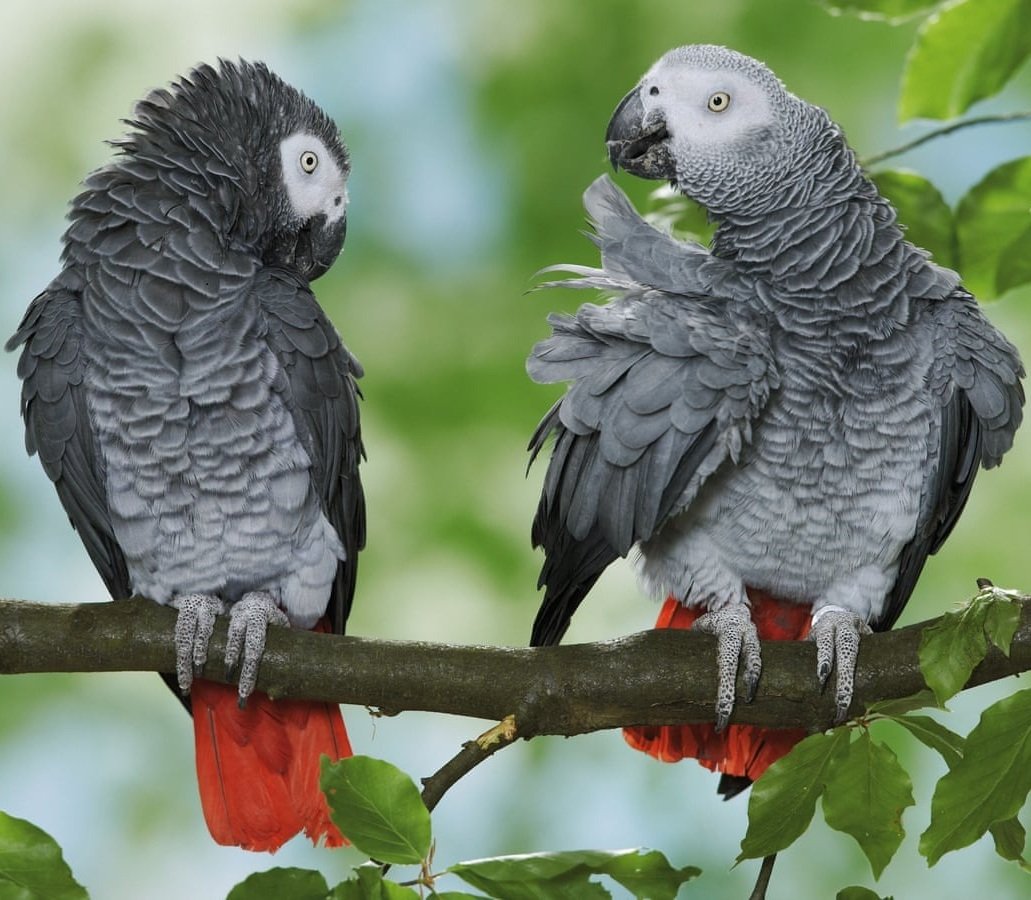
Welcome to Grey Legacy Parrots Care Guide
African Grey parrots are exceptionally intelligent, sensitive, and deeply engaging companions recognized for their remarkable cognitive abilities and emotional depth. These extraordinary birds form profound connections with their families and can enjoy 40-60 years of healthy life with appropriate care, enrichment, and commitment.
Caring for an African Grey requires understanding their unique characteristics, from their need for mental stimulation to their emotional sensitivity. From providing a nutritionally balanced diet to ensuring consistent social interaction and environmental enrichment, every aspect of their care contributes to their development as stable, confident companions.
At Grey Legacy Parrots, we believe knowledgeable owners cultivate the best avian relationships. This guide addresses essential African Grey care elements, including nutrition, socialization, environmental enrichment, grooming, and health monitoring. Whether you're a first-time parrot owner or an experienced avian enthusiast, this resource will assist you in providing an optimal life for your intelligent companion.
Essential African Grey Care Guidelines
Nutrition & Diet
Provide a varied diet of high-quality pellets, fresh vegetables, fruits, and healthy grains. African Greys require calcium-rich foods and should avoid avocado, chocolate, caffeine, and high-fat seeds. Fresh water must be available daily.
Mental Stimulation & Activity
African Greys need 4-6 hours of daily interaction, training sessions, and supervised out-of-cage time. Provide foraging toys, puzzles, and rotating enrichment to prevent boredom and feather destructive behaviors.
Training & Socialization
Begin positive reinforcement training early with consistent, gentle methods. Socialize extensively with diverse family members and experiences. African Greys are highly intelligent and responsive to patient, respectful interaction.
Grooming & Maintenance
Regular misting or bathing maintains feather health. Wing, nail, and beak trimming as needed. Provide calcium supplements and mineral blocks. Monitor for signs of feather plucking or over-preening.
Health Considerations
Annual avian veterinary examinations are crucial. African Greys may be predisposed to calcium deficiency, respiratory issues, and psittacosis. Monitor for weight changes, feather abnormalities, or behavioral shifts.
Environmental Enrichment
Provide a spacious cage with varied perches, interactive toys, and foraging opportunities. Rotate toys regularly and create a stimulating environment that challenges their exceptional intelligence.
Quick Reference Guide
Key points to remember for optimal African Grey care. These guidelines will help ensure your companion thrives within your household.
Daily Interaction
Minimum 4 hours of quality interaction daily. Include training, conversation, and supervised exploration to maintain emotional and cognitive health.
Calcium Management
Monitor for calcium deficiency signs. Provide cuttlebone, mineral blocks, and calcium-rich foods. African Greys require consistent calcium sources.
Emotional Sensitivity
Establish a stable, predictable routine. African Greys are emotionally sensitive and thrive with consistent schedules and calm, reassuring environments.
Toxic Awareness
Protect from household toxins including Teflon fumes, cleaning chemicals, and certain plants. Ensure proper ventilation and bird-safe environment.
Ready to Welcome an African Grey?
Our African Grey parrots are raised with dedication and come with comprehensive care documentation to establish proper foundations.
View Available Parrots